Description
**Description**
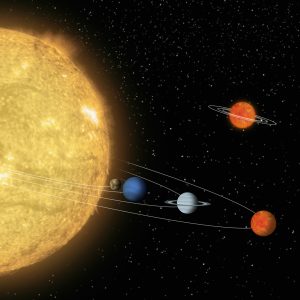
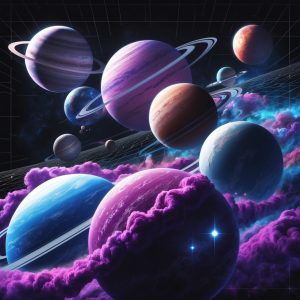
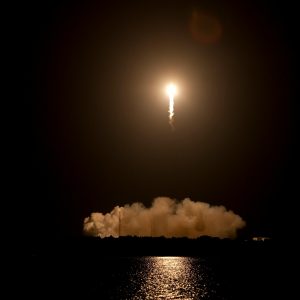
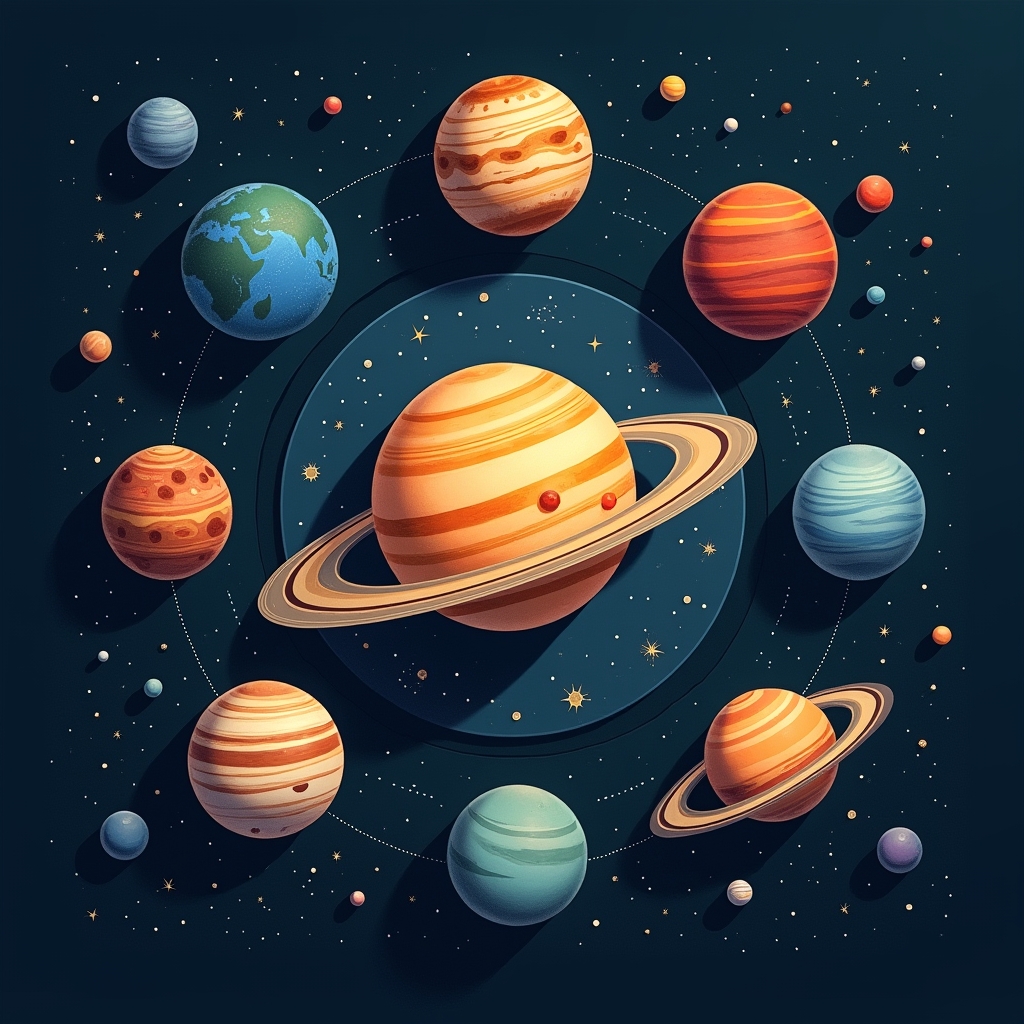
This module takes you on a scientifically rigorous and visually engaging journey through every major component of our Solar System, building a complete picture of how our cosmic neighbourhood is structured, how it formed, and how it continues to evolve. You will begin with an in-depth study of the Sun — covering its internal structure, the nuclear fusion processes that power it, the eleven-year solar cycle, and the mechanisms behind sunspots, solar flares, and coronal mass ejections that affect space weather and satellite technology on Earth. The module then moves through each planet in order from Mercury to Neptune, with dedicated lessons on each world’s size, composition, atmosphere, magnetic field, ring system where applicable, and moon count, accompanied by a downloadable comparative planetary data table you will reference throughout the module. You will study the asteroid belt in detail — learning the difference between asteroids, meteoroids, and meteorites, understanding the Kirkwood gaps, and discovering which asteroid families pose genuine impact risk to Earth. A full lesson is devoted to the four gas giants and the four ice giants as distinct planetary categories, clarifying common misconceptions and teaching you the atmospheric banding, storm systems, and ring structures that make each one unique. The module covers dwarf planets comprehensively — including Pluto, Eris, Haumea, Makemake, and Ceres — explaining why the 2006 IAU definition changed planetary classification and what criteria a body must meet. You will receive an interactive scale model of the Solar System that you can manipulate on-screen to truly grasp the immense distances between objects, something flat diagrams consistently fail to convey. A dedicated lesson on comets covers short-period and long-period types, the Oort Cloud as their reservoir, coma and tail formation, and notable historical comets. You will also study the formation of the Solar System through the nebular hypothesis, including planetary migration theory and the Nice Model that explains the Late Heavy Bombardment period. The module concludes with a current research update covering active NASA, ESA, and JAXA missions to Solar System bodies, including what they are discovering and what questions remain open.
**Format**
Self-paced interactive module with video lessons, a manipulable scale model, comparative planetary data table, and a current missions update document.
**Duration**
4.5 hours of self-paced content across 12 lessons, accessible on desktop and mobile.
**What You’ll Learn**
Solar physics and solar cycle; planetary characteristics and classification; asteroid belt and impact risk; dwarf planets and IAU definitions; Solar System formation; active exploration missions.
**Target Audience**
Students aged 12 and above, homeschooling families, science enthusiasts, and educators seeking a comprehensive Solar System reference curriculum.